
Carbon Monoxide Leaks & Detectors
Is carbon monoxide odorless?
Carbon monoxide (CO) is a highly dangerous, colorless, odorless gas. Fuel-burning equipment and appliances, such as furnaces, stoves, and space heaters that aren’t working properly, or are misused, may produce CO. This can build to dangerous levels in your home or business.
What are carbon monoxide poisoning symptoms?
CO poisoning can cause symptoms that are often mistaken for the flu – severe headaches, nausea, vomiting, and sleepiness. These symptoms tend to clear up when you breathe fresh air. CO poisoning also affects pets.
Who should you call if your carbon monoxide detector alarm goes off?
If your CO alarm sounds or you suspect CO poisoning, get fresh air immediately and call 911 when you are in a safe location. Then call the New Jersey Poison Control Center at 800-222-1222 and NJNG at 800-221-0051.
Can you have a carbon monoxide leak without gas appliances?
Yes, carbon monoxide (CO) leaks are possible without natural gas appliances. CO is produced by the incomplete combustion of any carbon-based fuel source. Common sources of CO production are clogged chimneys, wood-burning fireplaces, charcoal grills, kerosene heaters, car exhaust, or generators used too close to the home.
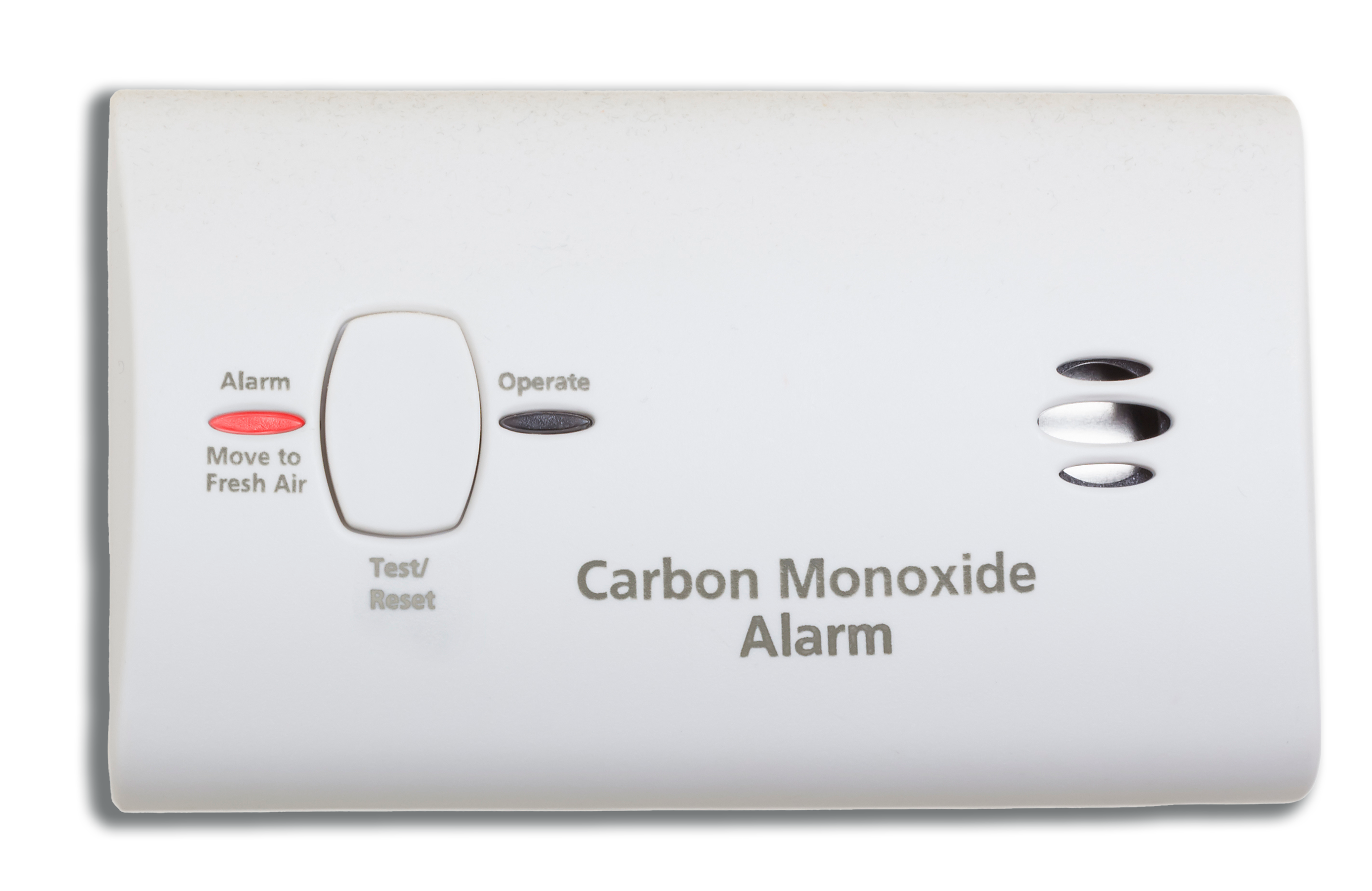
How to Prevent CO Leaks & Poisoning in Your Home or Business
- Install a battery operated CO detector that meets the current Underwriters Laboratories Standard UL 2034 safety standard.
- Where should you put CO detectors in your home? On every floor in the hallway near sleeping areas.
- Remember to replace your CO detectors every 5 to 7 years, based on manufacturers’ recommendations.
- Make sure your natural gas appliances are installed, vented and repaired properly.
- Proper maintenance of your natural gas equipment and appliances can reduce the chance of CO poisoning. Have a certified technician inspect your equipment annually.
- Call for service right away if you think there’s a problem with your equipment or a carbon monoxide emergency. Natural gas equipment should have a clear, blue flame. A yellow or orange flame may indicate a problem.
- Never use a generator inside your home, basement or garage or closer than 20 feet from your home.
- Keep vents and chimneys clear of debris.
- Never leave a car or lawn mower running in a garage.
- Don’t use a range, oven or clothes dryer for heating.
- Never burn charcoal indoors in or in an enclosed area, such as a tent.
If your organization is interested in learning more about CO safety, contact our FREE Speakers' Bureau at 732-938-1035. An NJNG representative will provide your group with more detailed information and show a video about CO safety.